

Enclosed Power Supply Solutions: What You Need to Know for Optimal Performance
2025-12-17
Enclosed Power Supply Solutions: What You Need to Know for Optimal Performance
In today's fast-paced technological landscape, power supply systems are vital for the efficient operation of various electrical devices and systems. Enclosed power supplies represent a significant advancement in this domain, offering robust solutions for numerous applications. This article delves into the intricacies of enclosed power supply solutions, aiming to equip you with the knowledge necessary to make informed choices.
Table of Contents
- What is an Enclosed Power Supply?
- Advantages of Enclosed Power Supplies
- Types of Enclosed Power Supplies
- Applications of Enclosed Power Supplies
- How to Choose the Right Enclosed Power Supply
- Installation and Maintenance Tips
- Common Issues and Solutions
- Future Trends in Enclosed Power Supply Solutions
- FAQs
What is an Enclosed Power Supply?
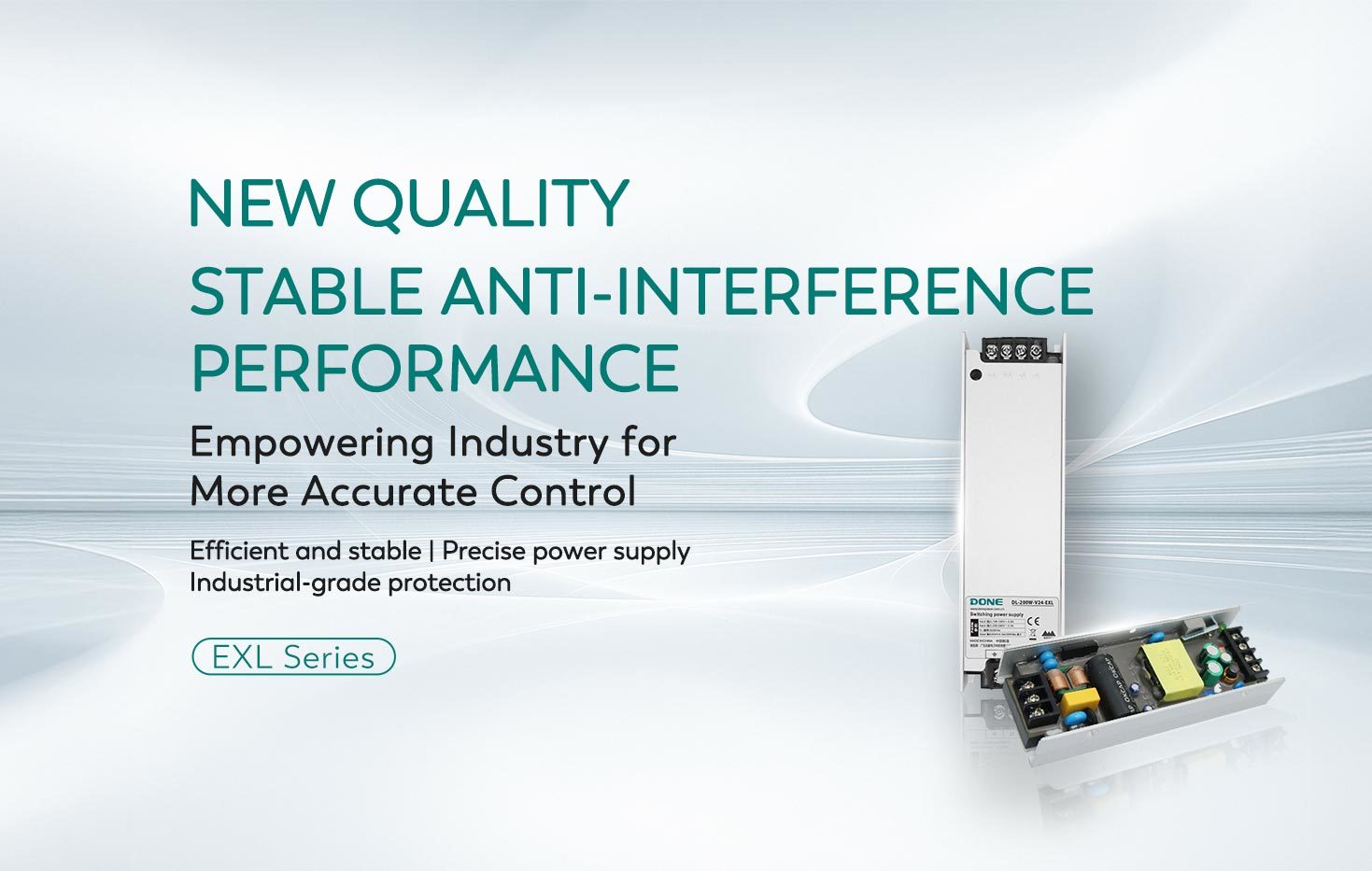
An **enclosed power supply** is a device designed to convert electrical energy from one form to another, typically transforming AC voltage into DC voltage. They are characterized by their enclosed casing, which provides protection against environmental elements, physical damage, and electrical hazards. This protective feature makes them particularly suitable for industrial, commercial, and residential applications.
Key Components of Enclosed Power Supplies
Enclosed power supplies comprise several key components, including:
- Transformer: Steps down the voltage from the power line.
- Rectifier: Converts AC voltage to DC voltage.
- Filter: Smoothens the output voltage to reduce fluctuations.
- Regulator: Maintains a constant output voltage.
Advantages of Enclosed Power Supplies
Enclosed power supplies offer several benefits that make them a preferred choice for many applications:
1. Enhanced Safety
The enclosed design significantly reduces the risk of electrical shocks and short circuits, safeguarding both equipment and users.
2. Improved Durability
These power supplies are built to withstand harsh conditions, including dust, moisture, and temperature variations, thereby extending their lifespan.
3. Efficient Heat Dissipation
Many enclosed power supplies are designed with built-in fans or heat sinks to dissipate heat effectively, preventing overheating and ensuring optimal performance.
4. Versatile Applications
Enclosed power supplies are suitable for a wide range of applications, from industrial machinery to consumer electronics.
Types of Enclosed Power Supplies
Understanding the various types of enclosed power supplies can help you select the right one for your specific needs. Here are some common categories:
1. Switching Power Supplies
Switching power supplies are known for their efficiency and compact size. They operate by rapidly switching the input voltage on and off, significantly reducing energy loss.
2. Linear Power Supplies
Linear power supplies provide a stable output voltage but tend to be larger and less efficient than switching supplies due to their design principles.
3. Programmable Power Supplies
These supplies allow users to set and adjust the output voltage and current levels, making them ideal for testing and research applications.
4. DC-DC Converters
DC-DC converters are specialized power supplies that convert one DC voltage level to another, ensuring compatibility with various devices.
Applications of Enclosed Power Supplies
Enclosed power supplies find applications across various industries. Some noteworthy uses include:
1. Industrial Automation
Robust enclosed power supplies are essential for powering automated machinery, control systems, and sensors in manufacturing plants.
2. Telecommunications
In telecommunications, enclosed power supplies ensure reliable power for network equipment, including routers, switches, and data transmission devices.
3. Medical Equipment
Enclosed power supplies are crucial in medical devices, providing stable and safe power for sensitive equipment used in healthcare settings.
4. Consumer Electronics
From desktop computers to home appliances, enclosed power supplies are integral to ensuring the functionality of everyday consumer electronics.
How to Choose the Right Enclosed Power Supply
Selecting the right enclosed power supply involves several critical considerations:
1. Determine Your Power Requirements
Identify the voltage and current requirements of your devices to ensure compatibility with the power supply.
2. Evaluate Efficiency Ratings
Look for power supplies with high efficiency ratings, as they consume less energy and generate less heat, contributing to overall cost savings.
3. Assess Environmental Conditions
Consider the operating environment, including temperature, humidity, and exposure to dust or moisture, when selecting a power supply.
4. Check for Safety Certifications
Ensure the power supply complies with relevant safety standards and certifications for your specific application.
Installation and Maintenance Tips
Proper installation and maintenance are essential for ensuring the longevity and performance of enclosed power supplies:
1. Follow Manufacturer Guidelines
Always adhere to the manufacturer's installation guidelines to minimize risks and ensure optimal performance.
2. Ensure Adequate Ventilation
Install power supplies in well-ventilated areas to prevent overheating and maintain efficiency.
3. Regularly Inspect Connections
Periodically check all electrical connections for signs of wear or corrosion and tighten them as needed.
4. Schedule Routine Maintenance
Establish a routine maintenance schedule to clean dust from enclosures and verify operational performance.
Common Issues and Solutions
Despite their reliability, enclosed power supplies can encounter problems. Here are some common issues and their solutions:
1. Overheating
Solution: Ensure proper ventilation and consider using cooling fans if necessary.
2. Voltage Fluctuations
Solution: Check for faulty connections and ensure the power supply meets the voltage requirements of your devices.
3. Inadequate Power Output
Solution: Verify the power supply's specifications and assess whether it is suitable for your equipment's needs.
4. Short Circuits
Solution: Inspect the wiring and connections for damage, and replace any faulty components.
Future Trends in Enclosed Power Supply Solutions
The future of enclosed power supply solutions is poised for significant advancements:
1. Increased Efficiency Standards
As energy regulations tighten, manufacturers will focus on developing more efficient power supplies to meet these requirements.
2. Integration of Smart Technologies
Smart power supplies with IoT capabilities will enable real-time monitoring and remote management, enhancing operational efficiency.
3. Miniaturization
With the demand for compact electronics on the rise, enclosed power supplies will continue to become smaller without sacrificing performance.
4. Sustainable Solutions
The industry will increasingly focus on environmentally friendly materials and design practices to reduce the ecological impact of power supplies.
FAQs
1. What is the difference between switching and linear power supplies?
Switching power supplies are generally more efficient and compact compared to linear power supplies, which provide a more stable output voltage but are bulkier and less efficient.
2. Can I use an enclosed power supply outdoors?
Yes, but ensure that the power supply is rated for outdoor use and can withstand environmental conditions.
3. How do I know if my power supply is failing?
Signs of a failing power supply may include unusual noises, overheating, or voltage fluctuations. Regular monitoring can help detect issues early.
4. Are enclosed power supplies safe for medical applications?
Yes, as long as they meet the necessary safety certifications and standards for medical equipment.
5. How often should I perform maintenance on my enclosed power supply?
Routine maintenance should ideally be conducted every six months, but the frequency may vary depending on usage and environmental conditions.
Conclusion
Understanding enclosed power supply solutions is crucial for anyone involved in electrical and power distribution systems. By recognizing the types, advantages, and applications of enclosed power supplies, you can make informed decisions that enhance the safety and efficiency of your electrical systems. Keeping abreast of future trends will ensure you stay ahead in this ever-evolving industry. As technology advances, so too will the capabilities of enclosed power supplies, making them an indispensable element in modern electrical infrastructure.
enclosed power supply
Related Information



Contact Us
DONE Industrial Park, No.3, Kanglong 3rd Zhongshan,Guangdong,PR.


Get Free Quotes Now
SAF Coolest v1.3.1.1 设置面板 GAGSD-ZGYF-JFSAE-ZXQ
无数据提示
Sorry,The current column is being updated!